


Why You Can Smell Wildfire Smoke Inside Your Own Home
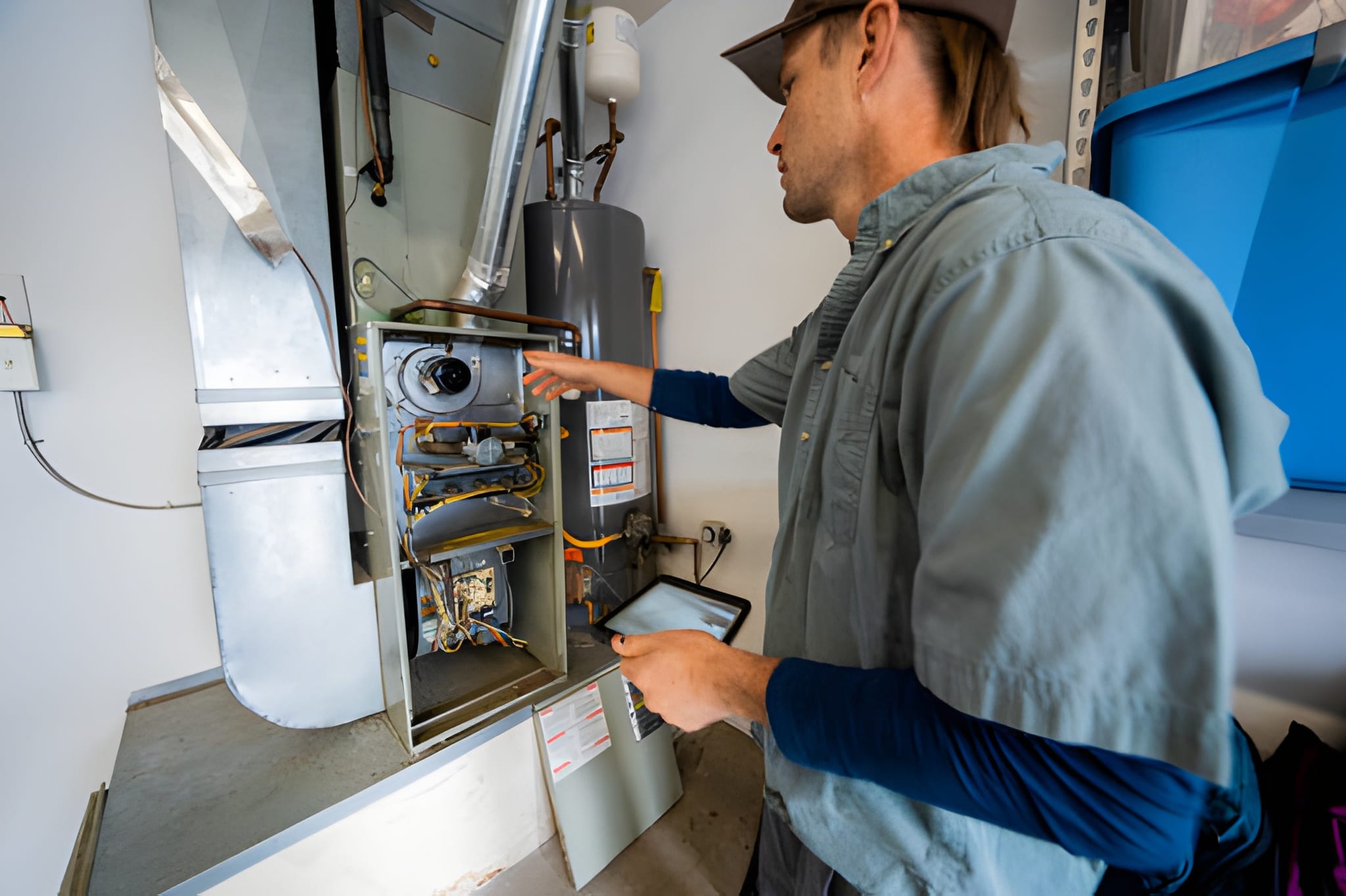
If you have ever stood in your own living room during burn season and caught that unmistakable campfire smell, you already know the frustrating part. The windows were closed. The doors were closed. The smoke got in anyway. All the campfire with none of the marshmallows!
It is not your imagination, and your house is not broken. Here is what is actually happening, and what you can do about it.
Your home breathes more than you think
Houses are not sealed boxes. Air moves in and out constantly through small gaps around windows, doors, vents, and anywhere pipes or wires pass through a wall. Builders call this infiltration, and some amount of it is normal in nearly every home.
On a clear day, you would be hard-pressed to notice. But during a smoke event, that same gentle air exchange becomes the delivery route.
Wildfire smoke particles are extremely small, primarily in a size range known as PM2.5, and particles that small ride along with air through gaps you would need a flashlight to find.
Why the smell lingers after the smoke clears
Those fine particles don’t simply pass through. They settle into carpet, furniture, and ductwork, and they can keep releasing odor for days after the sky turns blue again. This is one reason a house can smell smoky even when the air quality index (AQI) outside has recovered.
Does running my AC pull smoke inside?
This one comes up on nearly every smoke-season call, and the answer is reassuring: most residential systems recirculate the air already inside your home rather than pulling from outdoors. So running your system during a smoke event is generally fine, and it actually helps, because every pass through the system is another pass through the filter.
The catch is that this makes your filter the whole ballgame. Recirculating smoky air through a filter that cannot catch smoke particles just moves the smell around.
What actually helps clear the air
First, the free stuff. Keep windows and doors closed on smoke days, run your HVAC fan so air keeps moving through the filter, and skip anything that adds more particles inside, like candles or frying on high heat.
Second, check your filter. A standard fiberglass filter is primarily there to protect your equipment, not your lungs, and smoke particles mostly sail right through it. A higher-capacity media filter captures far more of the fine stuff.
And if remembering filter changes/cleaning is not exactly your wheelhouse, our maintenance plans include filter changes at every visit, so it simply gets handled when it needs to happen.
Third, if someone in your home has asthma, allergies, or just has lungs you would like to keep in top condition, whole-home filtration is worth a real conversation.
Our Clean Air Kit pairs a whole-home air scrubber with a high-capacity media filter, so the air moving through your system gets treated and filtered in the same pass. We wrote up the full explanation of how the two work together in our Clean Air Kit guide.
What about a portable air purifier?
Portable units aren’t a bad tool, and for a renter or a single bedroom they can be the right call.
Their limitations are defined right within their name. They clean the room they sit in, while the rest of the house keeps breathing whatever the ductwork delivers.
Whole-home filtration works at the system level, so every room served by your ducts gets the same treated air, with nothing to remember to move around or plug in.
Signs your indoor air is asking for help
A few things we hear from homeowners that usually point in the same direction:
- The smoke smell shows up indoors within hours of a haze rolling in
- Someone's allergies or asthma flare every burn season
- Dust returns fast after cleaning
- Filter looks gray well before its change date
None of these are inherently emergencies. But each of these signals are your house telling you the filtration is not keeping up with what the air is carrying.
A quick word on timing
Every year, the calls start flowing in once the smoke is already here. We understand it, because the problem has made itself impossible to ignore. But filtration installed before burn season protects you through all of it, not just the tail end.
If you want a real answer about what is in your air and what would actually help your specific house, we are a phone call away. Call (425) 496-7300 and we will talk through what’s best for your unique home and your unique situation.
Customer Testimonials
Service Areas
