


Is Your Panel Ready for an EV? What Snohomish County Homeowners Should Know
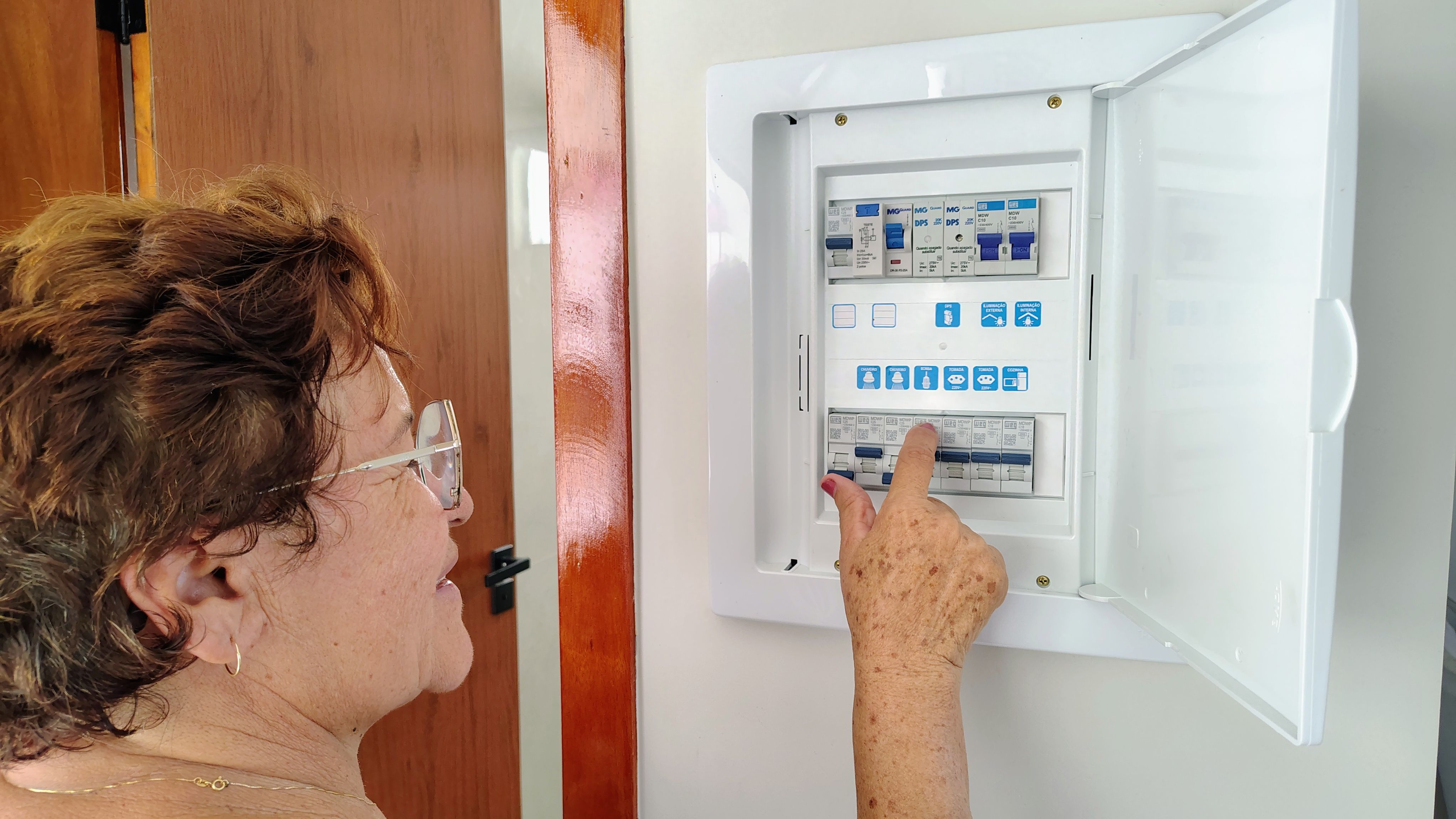
So you are thinking about an electric vehicle, or maybe one is already sitting in the driveway charging at a trickle from a regular wall outlet. Sooner or later the same question comes up for nearly every EV owner in Snohomish County: can my electrical panel actually handle a real charger?
It’s a good question to be asking, and the honest answer is that it depends on your panel.
Here is how to see if your panel is ready for an EV charger.
Why the wall outlet gets old fast
A standard outlet gives you what is called Level 1 charging, and it typically adds only a few miles of range per hour. That’s fine and dandy for a short commute. It becomes less fine the first time you need a full charge overnight and wake up to half your battery’s range.
A Level 2 charger is the one most homeowners actually want. It charges several times faster, but it also draws real power, generally on a dedicated 240-volt circuit, and that is where your panel enters the story.
What your panel needs to have
Every panel has a capacity rating, and every circuit in your house draws against it. Older homes in Snohomish County often have 100-amp panels that were generous for their era but are already working overtime running modern kitchens, gadgets, heat pumps, and everything else we have added since. A Level 2 charger is a significant new load on top of that.
Sometimes there is ample room on the panel. Sometimes there is room after a smaller adjustment. And sometimes the right answer is a panel upgrade, which sounds bigger than it usually is. This also comes with the advantage of setting your house up for whatever comes next, whether that is a heat pump, a workshop, or a second EV.
The way to find out is a load calculation, which is a real assessment of your panel, not a guess from the driveway. First we look at what you have, then factor in what you want to add, and then we tell you plainly what it takes.
Signs your panel is already working too hard
Some panels announce themselves before any EV enters the picture. Lights that dim when the dryer kicks on. Breakers that need resetting more often than they used to. A panel that is warm to the touch, or one still wearing a brand name that has not been sold in decades. We wrote about the most common version of this: why circuit breakers trip after power outages. A panel that struggles today will not thank you for an EV charger tomorrow, and honestly, it deserves a look regardless of what you’ve got sitting in your driveway.
What a panel upgrade actually involves
Homeowners sometimes picture a torn-open wall and a week without power. Don’t worry, the reality is usually much gentler!
For most homes, a panel upgrade is a planned day of work, with power off during the swap and back on before dinner. Electrical work at this level is permitted and inspected, which is a feature, not a hassle, and we handle the permitting as part of our job.
This is also the moment your house quietly gets more valuable. A modern panel is one of those improvements buyers and inspectors both like to see, and it removes the ceiling on nearly every future project.
Why we handle this in-house
Good Guys runs its own licensed electrical team alongside our HVAC crews, for residential and commercial work alike. That matters here for a very practical reason: EV charging sits exactly at the intersection of your electrical system and your home's overall energy picture.
When the same company can evaluate the panel, install the circuit, and understand how it all plays with your heating and cooling, nothing gets lost between contractors.
Our electrical team has grown this year, and our technicians doing this type of work have decades of hands-on time. You will meet real people who explain things in plain language, which we consider an essential part of our job.
The bottom line
If you’ve been planning to add an EV to your household’s fleet, the panel question is worth answering before the car shows up.
Our assessment is straightforward, and you will get a plain answer about what your house needs, even if that answer is that you are already set (we like delivering that one).
Call (425) 496-7300 and we will get your load calculation scheduled!
Customer Testimonials
Service Areas
